
#3 - What women talk about amongst themselves
I remember. It was this book that started it all. The paranoia, the escape, the wandering from one end of the city to the other... It was the book. (…) Out of curiosity, I opened it. I thought it wouldn't hurt to flip through it. Well I was wrong.
With all due respect to these gentlemen, their mothers —
‘From control to narcissistic abuse:
(...) Narcissistic abuse is the projection of the parent onto the child, whose gifts are exploited not to develop her own resources but to satisfy the parent's need for gratification. (...) It is an abuse of identity, the little girl being put in a place that is not hers and, correlatively, dispossessed of her own identity by the very person responsible for helping her to grow. (...)
The mother's over-investment is accompanied by a lack of real love, which the child transforms into a lack of self-esteem, an insatiable demand for recognition and an unfulfilled need for love. The ‘gifted’ child never ceases to multiply her prowess in order to merit, through her gifts, a love that is always unsatisfying because never directed towards herself, for herself. (...) ¹
[Diary, Oct. 2018:] ‘I can't go on. It's terrifying. It's as if this book were an oracle of my life. It's all written down: the constant pain, the bulimia, the desire to hurt myself, to starve myself to death... the wish to disappear. The worst things I can't even confess to myself. (...) I'm scared. Dr M.’s office is closed and I have nowhere to go. The only thing I know: I can't go home.’
I remember. It was this book that started it all. The paranoia, the escape, the wandering from one end of the city to the other... It was the book. In my ghostly delusions, I ended up in the library and found myself face to face with this book — Mother-Daughter: A Relationship of Three. Out of curiosity, I opened it. I thought it wouldn't hurt to have a look at it. Well I was wrong.
The child prodigy is torn between smallness and greatness, self-hatred and self-love, the interiority of being and the exteriority of doing, the darkness of secret suffering and the light of a glory offered in vain. Such is indeed the fate of the little girl when her mother, oblivious to her own identity as a woman, has entrusted her with the task of realizing her aspirations in her place.’ ²
It was as if the world had slipped away from under my feet. I had the feeling that someone was observing me. ‘This need for love can never be fulfilled because the signs of solicitude are never really addressed to the child.’ It was joke, wasn’t it? Someone had let the damn book there, just to make fun of me.
‘[Maria, from the movie Bellissima] would undoubtedly have become a brilliant young woman [if she had had any special gift] but nevertheless, always hungry for narcissistic gratification, alternating periods of excitement and depression, overactivity and inertia, always eager to please but generally unloved, probably bulimic as well as concerned about her figure, emotionally immature as much as sexually savvy.’ ³
‘From there, something clicked inside my brain. I saw the truth. I was in the eye of the storm, suddenly very serene because everything appeared to me as a powerful revelation, with only one possible outcome: escape or death.’
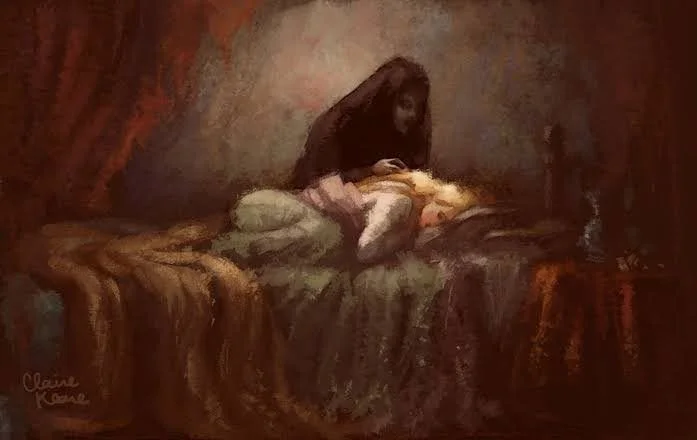
Think about Rapunzel, who has never touched reality, not even close. Lacking knowledge of what it is made of, she has imagined a world. And in this world, all the characters in the story want to hurt her. And she is right, in a way, because without a voice of her own, everyone is free to put words in her mouth that she never wanted. But the liberating question is not: who is on my side, really? And who has been pretending all this time?
But rather: who has more to gain if Rapunzel stays in her tower?
Artist : Claire Keane, her website here.
MARIA (to her mother): You know what would actually help me? If you’d loved me less. —
¹, ², ³ : ‘When women get together(...), what do they talk about? With all due respect to these gentlemen, their mothers. So argue Caroline Eliache and Nathalie Heinich in their book on mother-daughter relationships.’ — C. Eliache , N. Heinich (2010). Mère-fille: une relation à trois. Ed. Albin Michel —
The PDF version here — Print it, save it, share it.
♡
#3 - De qué hablan las mujeres entre ellas
Lo recuerdo. Fue el libro que lo empezó todo. La paranoia, la huida, el vagar de un extremo a otro de la ciudad... Era el libro. (…) Por curiosidad, lo abrí. Pensé que no habría ningún daño en hojearlo. Pues me equivoqué.
Sin ofender a estos caballeros, de sus madres —
"Del control al abuso narcisista:
(...) El abuso narcisista es la proyección del progenitor sobre el hijo (en este caso: de la madre sobre su hija) cuyos dones son explotados no para desarrollar sus propios recursos sino para satisfacer la necesidad de gratificación del progenitor. (...) Se trata de un abuso de identidad, al ser la niña colocada en un lugar que no es el suyo y, correlativamente, desposeída de su propia identidad por la misma persona encargada de ayudarla a construirse. (...)
La sobreinversión por parte de la madre va acompañada de una falta de amor real, que la niña transforma en falta de autoestima, una demanda insaciable de reconocimiento y una necesidad insatisfecha de amor. La niña “superdotada” no cesa de multiplicar hazañas para merecer a través de sus dones un amor siempre insatisfactorio porque nunca dirigido hacia sí mismo, para sí mismo. (…)”
[Diario, 2018:] “No puedo seguir. Es aterrador. Es como si este libro fuera un oráculo de mi vida. Está todo escrito ahí: el dolor constante, la bulimia, el deseo de hacerme daño, de morirme de hambre, hasta desaparecer. Todas las cosas que ni siquiera me atrevo a admitirme a mí misma. (...) Tengo miedo. La consulta del Dr. M. está cerrada y no tengo adónde ir. Lo único que sé: no puedo volver a casa”.
Lo recuerdo. Fue el libro que lo empezó todo. La paranoia, la huida, el vagar de un extremo a otro de la ciudad... Era el libro. En mis delirios fantasmales, acabé en la biblioteca y me encontré con este libro: Madres e hijas: Una relación de tres. Por curiosidad, lo abrí. Pensé que no habría ningún daño en hojearlo. Pues me equivoqué.
“La niña se debate entre la pequeñez y la grandeza, el odio a sí misma y el amor, la interioridad del ser y la exteriorización a través del hacer, la oscuridad de un sufrimiento secreto y la luz de una gloria ofrecida en vano. Tal es, en efecto, su destino cuando su madre, olvidando su propia identidad de mujer, le encarga de realizar sus aspiraciones en su lugar.” ²
Hojeándolo, fue como si el mundo se hubiera deslizado bajo mis pies. Tuve la sensación de que alguien me estaba observando. “Esta necesidad de amor nunca podrá ser satisfecha porque las expresiones de interés nunca están realmente dirigidas hacia la niña”. Era broma, ¿verdad? ¿Alguien había dejado allí el maldito libro, sólo para burlarse de mí?
“[Maria, de la película Bellissima] sin duda habría llegado a ser una joven brillante [si hubiera tenido cualquier don especial] pero, sin embargo, siempre hambrienta de gratificación narcisista, alternando periodos de excitación y depresión, hiperactividad y pasividad, siempre deseosa de agradar pero generalmente poco amada, probablemente bulímica a la vez que preocupada por su figura, emocionalmente inmadura a la vez que sexualmente muy hábil.» ³
“A partir de ahí, algo se quebró en mi cabeza. Vi la luz. Estaba en el ojo de la tormenta, pero de repente muy serena porque todo me apareció como una poderosa revelación, con un único desenlace posible: la huida o la muerte”.
Piensa en Rapunzel, que nunca ha tocado la realidad, ni de lejos. Sin saber de qué está hecho, imaginó un mundo. Y en este mundo, todos los personajes de la historia quieren hacerle daño. Y, en el fondo, no se equivoca, porque sin voz propia cada uno es libre de poner en su boca palabras que nunca quiso. Pero la pregunta liberadora no es: ¿quién está realmente de mi lado? ¿Y quién ha estado fingiendo todo este tiempo?
La pregunta, desde siempre, fue: ¿Quién tiene más que ganar si Rapunzel se queda en su torre?
Artista : Claire Keane, su página web aquí.
MARIA (a su madre): ¿Sabes lo que realmente me ayudaría? Si me quisieras menos. —
¹, ² , ³ : “Cuando las mujeres se reúnen (...) ¿de qué hablan? Sin ofender a estos caballeros, de sus madres. Así lo afirman Caroline Eliacheff y Nathalie Heinich en su libro sobre las relaciones madre-hija.” — C. Eliacheff, N. Heinich (2010). Mère-fille: une relation à trois. Albin Michel.
La versión PDF aquí — Imprímelo, guárdalo, compártelo
♡
#2 - El vagar de los grandes días
Es culpa mía. Había establecido hace tiempo, que cuando las cosas se pondrían feas, simplemente me aislaría del resto del mundo. ¿Te acuerdas? De pequeña lo llamaba «extinción». (…) Pero tengo miedo. Creo que me he quedado bloqueada, Lidy. No consigo salir de este estado. (…)
Octubre de 2018 — En la iglesia.
Querida Lidy,
Me parece que son lugares como este que buscamos cuando sufrimos. Lugares que nos hacen sentir que todavía pertenecemos a algo... Sea lo que sea.
No hay nadie alrededor. Tengo la extraña sensación de haber oído estos susurros antes, de haber visto estos vitrales — en sueños o en mis recuerdos, he entrado por esta puerta, he acariciado su madera, estoy segura. No puedo decir si Dios estaba allí la última vez que pise este suelo, pero sé que una parte de mí murió entre estas paredes.
He pasado la semana vagando por la ciudad. No puedo ir a clase de teatro, estoy afónica y no puedo pretender que estoy aquí, en el escenario, delante de los demás. No tengo fuerzas. (Te lo ruego, no digas nada, ¿vale?)
Es culpa mía. Había establecido hace tiempo, que cuando las cosas se pondrían feas, simplemente me aislaría del resto del mundo. ¿Te acuerdas? De pequeña lo llamaba «extinción». Basta con apagar los sentidos. Es como volverse muñeca de trapo, dejas que el cuerpo tome el control. Las humillaciones, los gestos a rechazar, las cosas a las que hay que enfrentarse, todo se vuelve tan lejano que nada ya te puede afectar.
Pero tengo miedo. Creo que me he quedado bloqueada, Lidy. No consigo salir de este estado. El otro día, quiso él que me arrodillara y desde entonces no he vuelto. Ya no habito este cuerpo. Cogí una mochila, metí cosas dentro, ni siquiera miré... Lo metí todo y, desde entonces, me paso las tardes vagando. De vez en cuando, escribo. Muevo los dedos para saber si se ha acabado. Y pienso en esa frase del Principito que me ahoga cada vez que la leo:
“Estarás triste. (…) Parecerá que estoy muerto, pero no es verdad. (…) ¿Comprendes? Es demasiado lejos. No puedo llevar este cuerpo allí. Es demasiado pesado.”
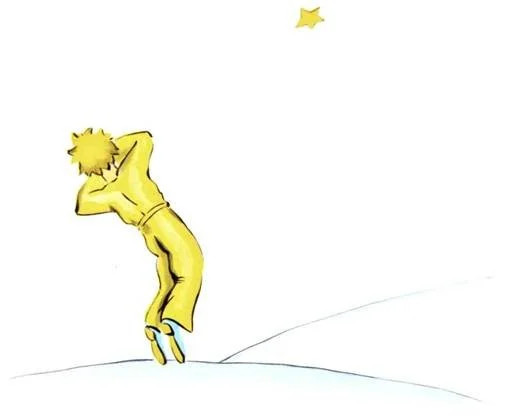
Cayó suavemente como cae un árbol. En la arena, ni siquiera hizo ruido — El Principito, capítulo 26
Sin saber bien cómo, me encontré frente al teatro. Llamé a la puerta. Sentía esperanza y náuseas al mismo tiempo. Hoy es martes. Son cuatro. Cuatro días sin comer. El profe abrió, sorprendido. “La clase no empieza hasta las seis”. Le empujé. Le dije que no estaría a las seis. Subí al escenario, di la vuelta y, frente a la luz, lo intenté de nuevo: «Aquí estoy». Lo dije mil veces. Y empecé a llorar. Él vino, me abrazó. Le besé. No se inmutó. Como si supiéramos desde el principio que acabaría así. Me hizo sentarme para respirar un momento, y me preguntó qué pasó, pero no sé hacer esto: hablar. Si hubiera sabido por dónde empezar, habría gritado. En lugar, le besé de nuevo. Nos hemos dejado llevar; me cogió la mano y la deslizó allí. Estaba duro, quise apartarme. A los hombres les encanta eso: hacerte sentir. ¡Como si fuera el mayor de los cumplidos!
De una manera u otra, me fui. El sol abrasaba toda la ciudad. Seguí mi camino tambaleándome, pero no tenía adónde ir. Había agotado todos los significados de la palabra «hogar»: la pluma, el papel, el escenario, los brazos de un ser querido. Ya no significaba nada. Todo se apagó. Y mientras él existe, Lidy, no podré volver. —
A llevar conmigo:
Pasaporte
Rosario
Camiseta ratóncito para dormir.
2 pantalones
6 bragas
6 pares de calcetines
Chaqueta azul
Cepillo de dientes
Cercles, de Yannick Haenel.
N.B. : Este episodio ocurrió el día antes de mi partida. Al día siguiente, me iba a Londres, donde viví tres años.
La versión PDF aquí — Imprímelo, guárdalo, compártelo
♡
#2 - The wandering
It's my fault. I had established a long time ago that when things would go wrong, I’d simply cut myself off from the rest of the world. Remember when I was little? I used to call it “the extinction”. (…) But I'm scared. I think I'm stuck, Lidy. I can't get out of it. (…)
October 2018 — At church
Dear Lidy,
We look for places like this when we suffer. Places that would make us feel like we still belong to something... Anything.
There's no one around. I have the vague impression that I've heard these whispers before, seen these windows —in my dreams or in my memories, I have walked through this door, caressed its wood, I'm sure of it. I can’t say whether God was there or not last time I’ve walked this floor, but I know a part of me died within these walls.
I spent the week wandering around the city. I couldn't go to drama class because I've lost my voice and I can't be there on stage in front of everyone else. I don't have the strength. (Please don't say anything, okay?)
It's my fault. I had established a long time ago that when things would go wrong, I’d simply cut myself off from the rest of the world. Remember when I was a kid? I used to call it “the extinction”. It’s shutting down your senses. You're like a rag doll, you let your body take control. The humiliations, the gestures to resist, the things to face, all of it becomes so distant that nothing really touch you anymore.
But I'm scared. I think I'm stuck, Lidy. I can't get out of it. He wanted me to kneel down the other day and I haven't been back since. I don't live in this body anymore. I grabbed a backpack, threw some things in it, didn't even look... I just stuffed everything in and since then I've spent my afternoons wandering around. From time to time, I write. I move my fingers to see if it's over. And I think of that sentence from The Little Prince that suffocates me every time I read it:
“You will be sad. I'll look like I'm dead, and that won't be true. (…) You understand. It's too far. I can't take that body with me. It's too heavy.”
He fell gently, as a tree falls. It didn't even make a sound because of the sand. — The Little Prince, chapter 26
Without really knowing how or why, I ended up at the theater, knocking the front door. I felt both hopeful and nauseous. It's Tuesday. That's four. Four days without eating. He opened the door, surprised. Class doesn't start until six. I pushed him. I told him I wouldn't be there at six. I climbed the stairs, went up stage and, facing the light, I tried again: Here I am. I must have said it a thousand times. And then I started to cry. He took me in his arms. I kissed him. He didn't flinch. As if we knew from the beginning that it would end up like this. He made me sit down to breathe a second, then asked me what was going on, but I don't know how to do this: talk. If I had known where to start, I would have screamed out. Instead, I kissed him again. We got carried away, he took my hand, slid it in. He was hard, I wanted to pull away. Men love that, making you feel. Like it's the greatest compliment, no kidding.
Somehow, I left. The sun was beating down on the whole city. I staggered on, but I had nowhere to go. I had exhausted every meaning of the word “home” — the pen, the paper, the stage, the arms of a loved one. It no longer meant anything. Everything went dark. And as long as he exists, Lidy, I will never be able to return. —
To take with me:
Passport
Rosary
Sleeping Mouse T-shirt
2 pairs of pants
6 pairs of panties
6 pairs of socks
Blue jacket
Toothbrush
Makeup
Cercles, Yannick Haenel
NB: This episode was the day before my departure. The next day, I was leaving for London, where I lived for three years.
The PDF version — Print it, save it, share it.
♡