“Being an artist means,
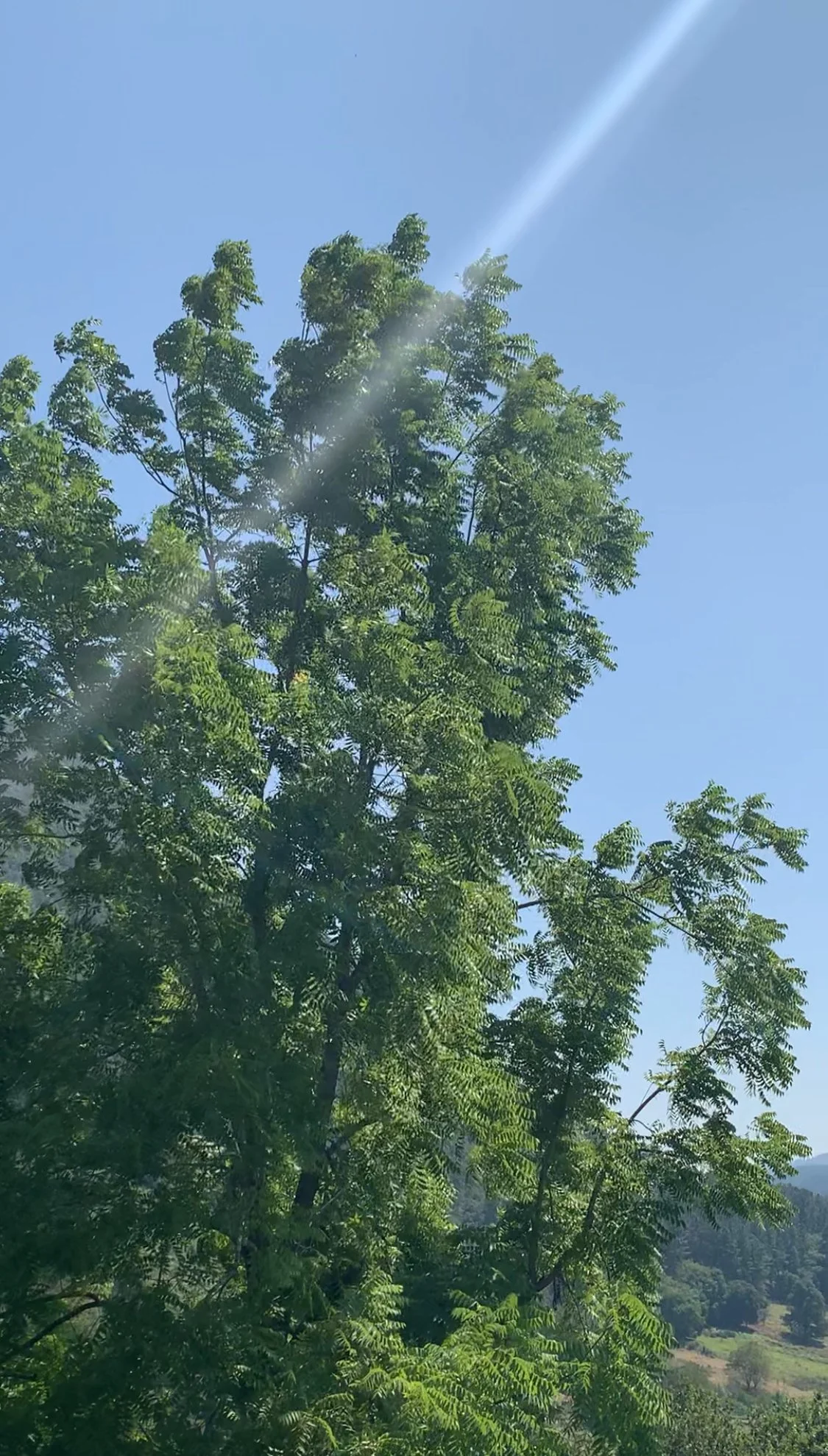
not reckoning and counting, but ripening
like the tree
which does not force its sap
and stands confident
in the storms of spring, without the fear
that after them may come no summer.”
— Rainer Maria Rilke
Maiden no more
‘(…) common-sense had illumined her. She felt that she would do well to be useful again — to taste anew sweet independence at any price. The past was past; whatever it had been, it was no more at hand. (…)
‘(…) common-sense had illumined her. She felt that she would do well to be useful again — to taste anew sweet independence at any price. The past was past; whatever it had been, it was no more at hand. Whatever its consequences, time would close over them; they would all in a few years be as if they had never been, and she herself grassed down and forgotten. Meanwhile the trees were just as green as before; the birds sang and the sun shone as clearly now as ever. The familiar surroundings had not darken because of her grief, nor sickened because of her pain. She might have seen that what had bowed her head so profoundly — the thought of the world’s concern at her situation — was founded on an illusion. She was not an existence, an experience, a passion, a structure of sensations, to anybody but herself. To all humankind besides Tess was only a passing thought. Even to friends she was no more than a frequently passing thought. If she made herself miserable the livelong night and day it was only this much to them — ‘Ah, she makes herself unhappy.’ If she tried to be cheerful, to dismiss all care, to take pleasure in the daylight, the flowers, she could only be this to them ‘Ah, she bears it very well.’ Alone in a desert island would she have been wretched at what had happened to her? Not greatly. (…) Most of the misery had been generated by her conventional aspect, and not by her innate sensations.’
Thomas Hardy, Tess of the d’Urbervilles, 1891.
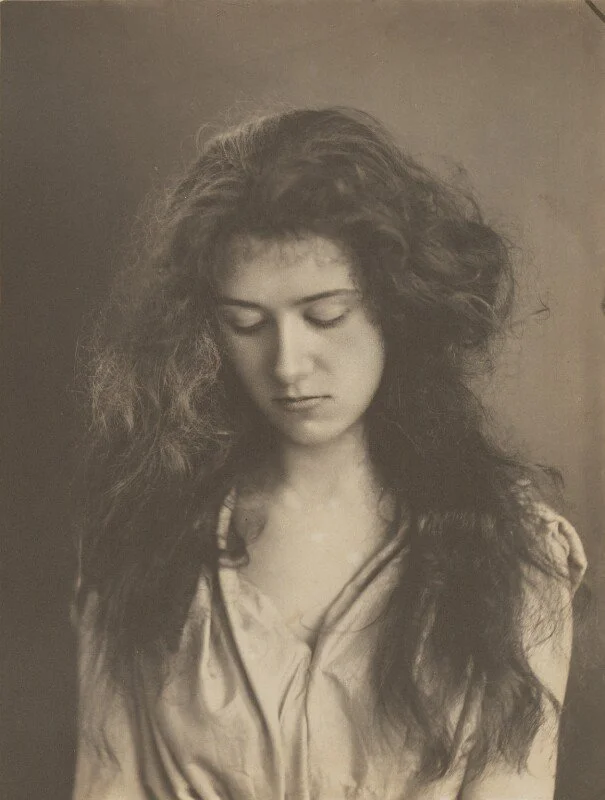
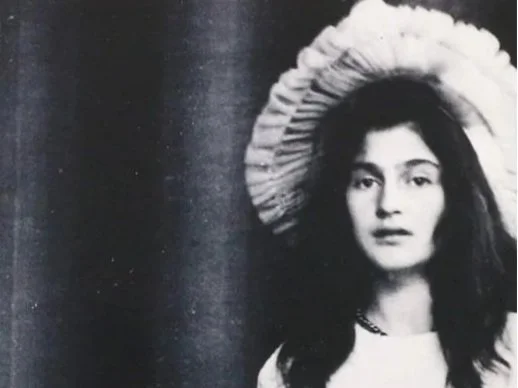
Adelaide Augusta Floyd Passingham, by Eveleen Myers, 1889 — National Portrait Gallery, London
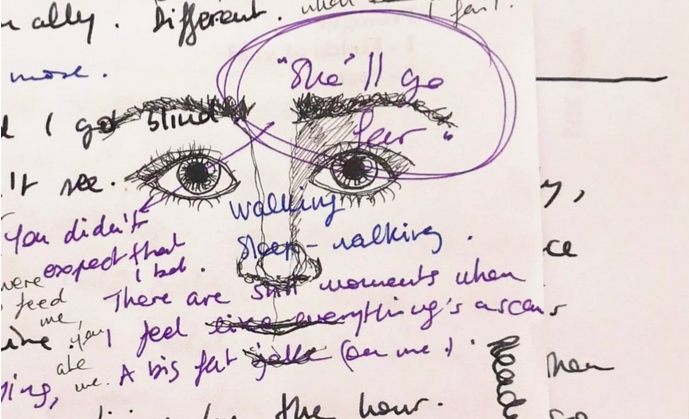
Imperfect
I can read them, again and again, a thousand times on hand, they won’t get any better or any worse. They are what they are (…)
Inspired by a phrase from Brianna Wiest, in her book: The Pivot Year
I can read them
Again and again,
A thousand times on hand,
They won’t get any better
Or any worse.
They are what they are,
Poems,
Or better said:
I was born with these chains.
So I either touch the paper
And keep the thread,
Accept that who I was is who I am,
Or I bleach it all,
Kill everything,
Make art as pure as souless
And be liked, at best.
I don’t recognise my voice
When I believe they stare,
I can’t give anything
If I still think: “I want to help”.
Be foolish, and expose myself?
And hope that this nauseating fear
Will let me breathe
Now and then?
Or wait.
Re-read, erase.
Do it all again.
Serve coffee, be safe
Until I leave this mortal shell.
I thought that
How bad I wanted this
Was useless to mention
So be brave,
Feel it:
There was a purpose to this imperfection. —
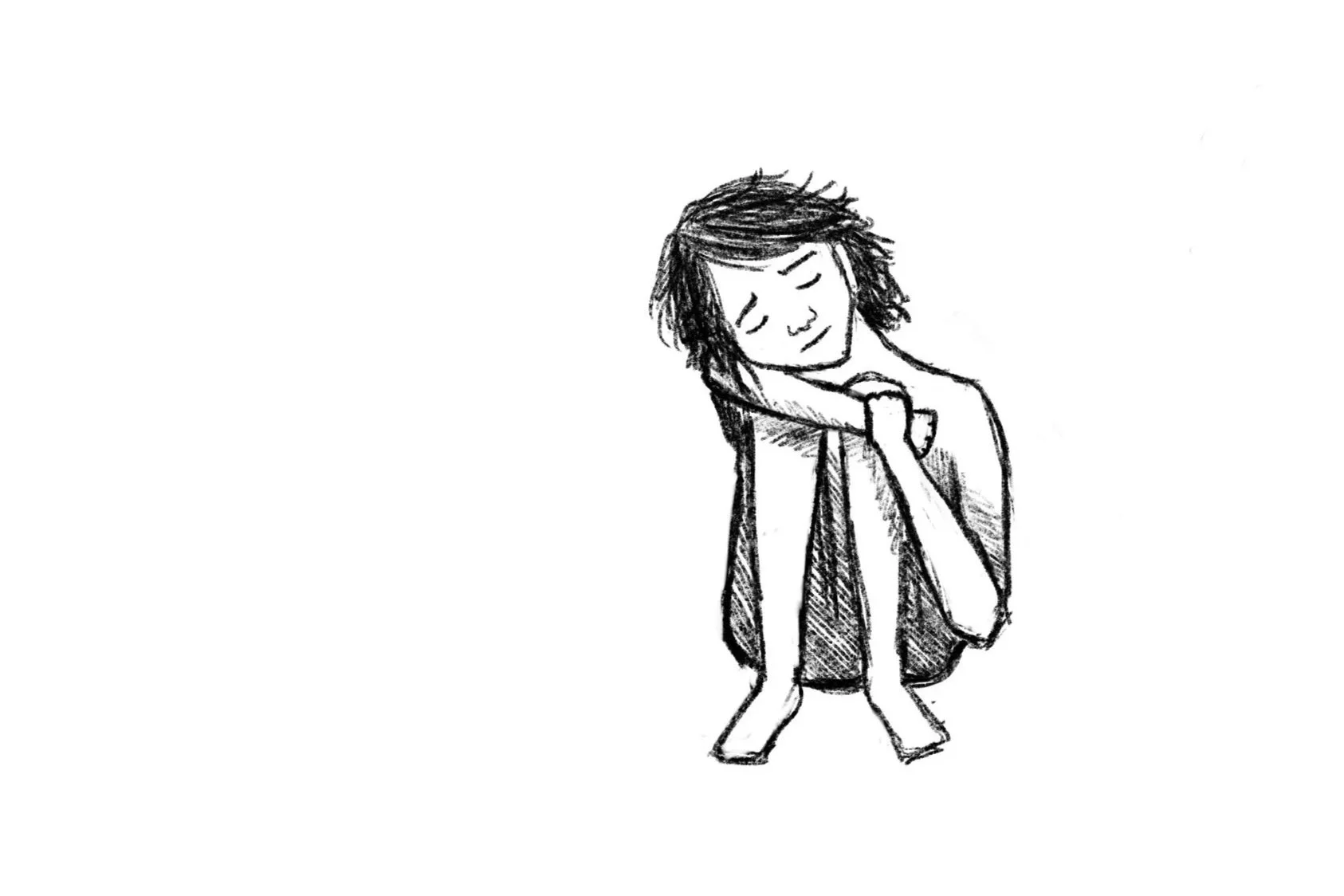
The Sign
I survived. There must be something I need to do in return. You understand, I cannot sleep anymore. I cannot look at the sky in awe, and wish, and wait (…)
It’s like a shadow over me.
It rains on me.
Acid rain,
Guilt in its very essence.
I survived.
There must be something I need to do in return.
You understand, I cannot sleep anymore.
I cannot look at the sky in awe,
And wish,
And wait
For a grand sign.
I’m alive.
I am the sign. —

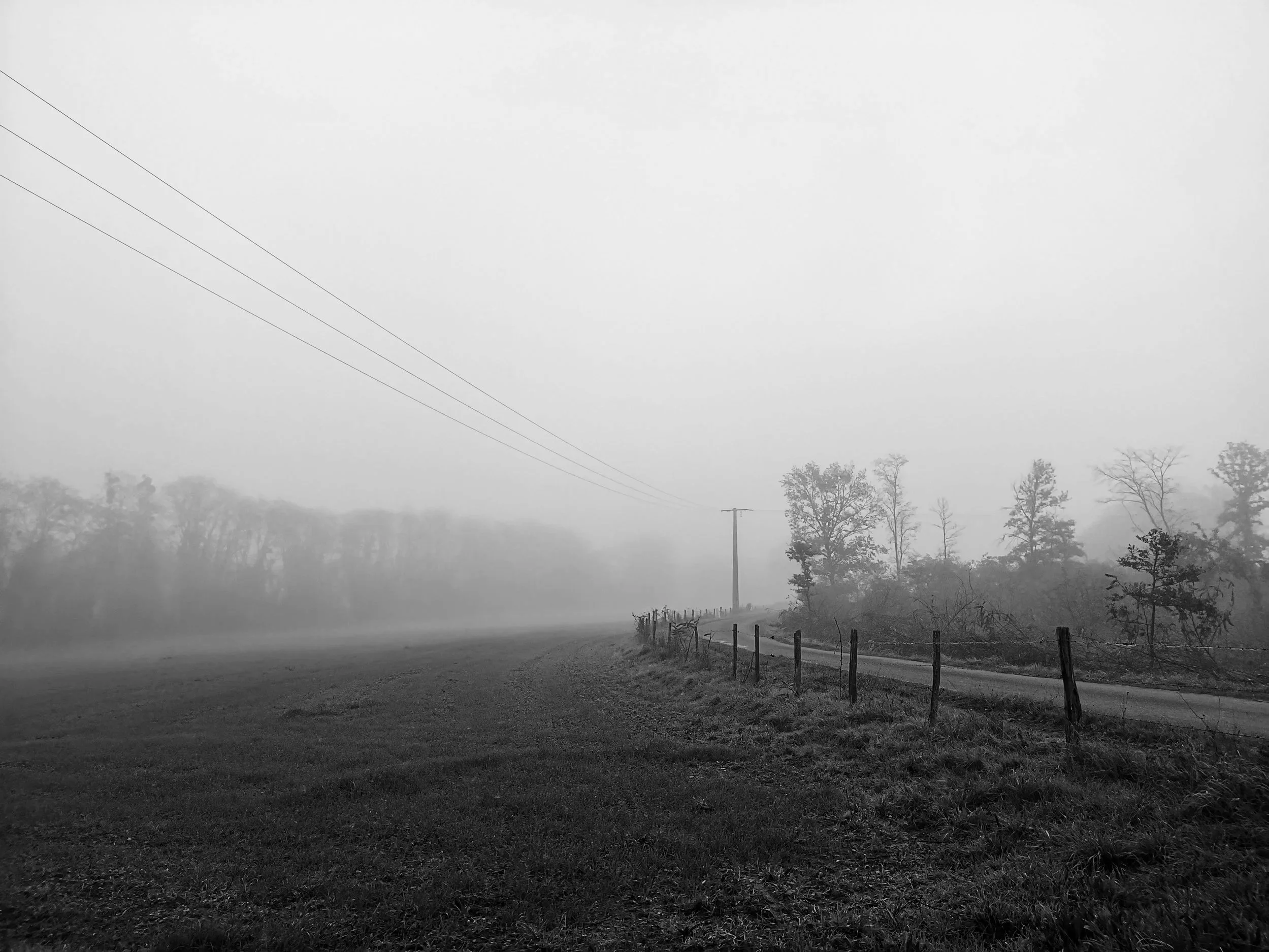
I have so much left to cry
I have so much left to cry. Did it occur to you? That perhaps behind those many smiles lies a silence that won’t die. (…)
I have so much left to cry.
Did it occur to you?
That perhaps behind those many smiles
Lies a silence
That won’t die.
I have so much left behind.
All of those days
Of joyful trust
And of those dreams
Barely untouched…
I never came to realise
That I had so much left to cry
Before I’m ready
To hold one’s gaze,
Before the sun
Can rise again.
I have so much left to fear,
And question,
And pray for.
So much to be seen
And cared
And fought for.
And as I know,
This day will come:
Inevitable rise,
From the depths
Of a black-ink storm,
I shall soon get up
And fill the sky
With bursts of laughter
And merry light
But I have so much left to learn
That I don’t know
Which one will first
From my mistakes
Or deepest hurts
Teach me the greatest way
To grow.
I feel them roll and roll,
Like long time dreams
Buried in snow
Down by my cheeks,
Gently, they roll.
So I stop by the window
And sit.
The winter cold
Blushing my cheeks
Gives me a little time.
To rest
And think.
I can see clearly now
From a bird’s eye view...
All the days I have denied
Fighting with fierce for what was mine
I never seemed to understand
That overwhelmed and somewhat tried
I still had so much left to cry. —
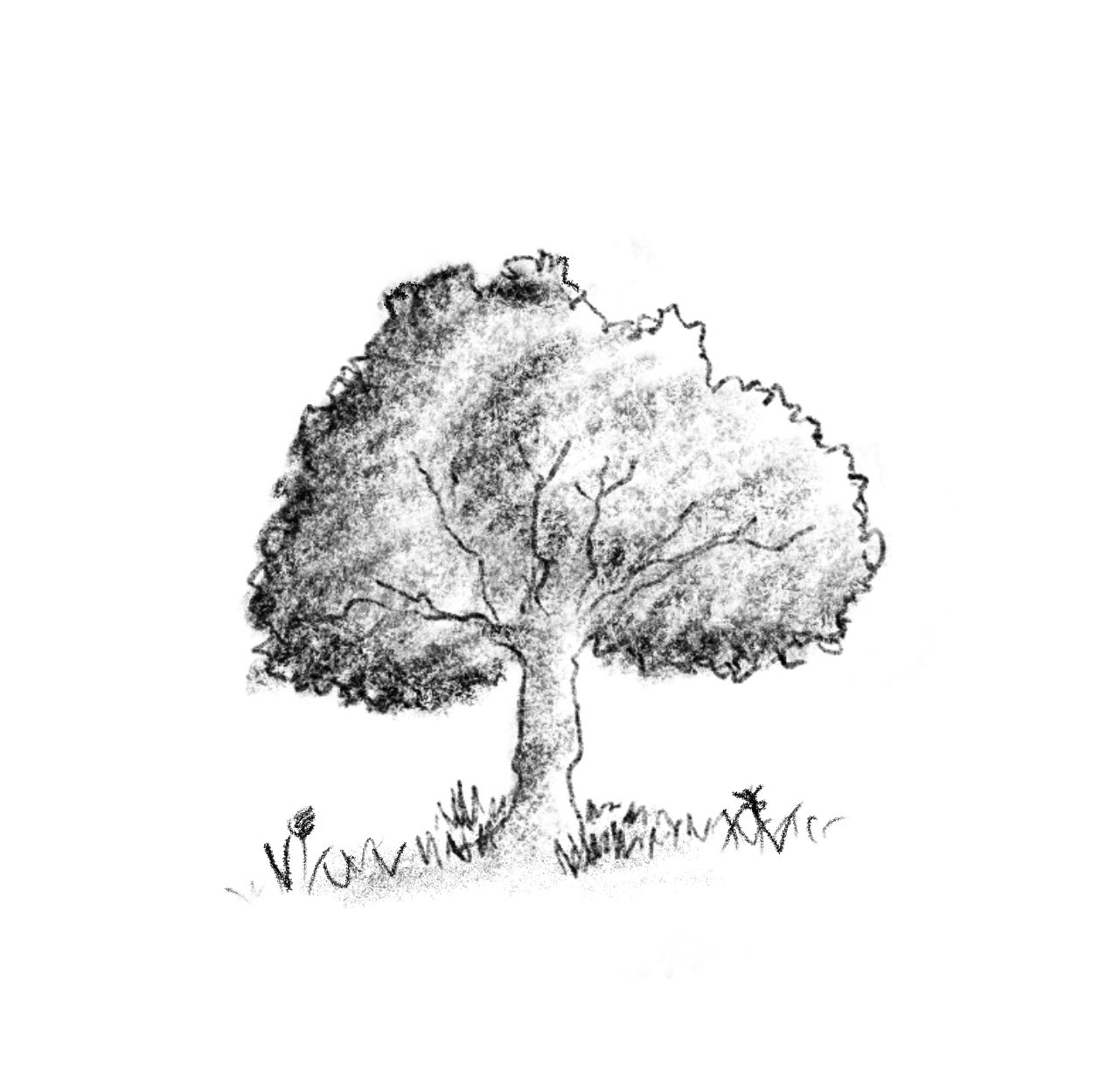
The sound of life
I’ve walked alone
Far
And far
Down many roads.
Until I found a place
Where I could long
For silence.
Little did I know
That silence wasn’t there.
Wherever I went
It never came.
But I did hear
The sound of life
Roaming the field
Like a newborn
Breathe
At last.
“It does come. But it comes
only to the patient,
who are there as though eternity lay before them,
so unconcernedly still and wide.
I learn it daily, learn it with pain
to which I am grateful:
patience is everything!”