
Serendipia
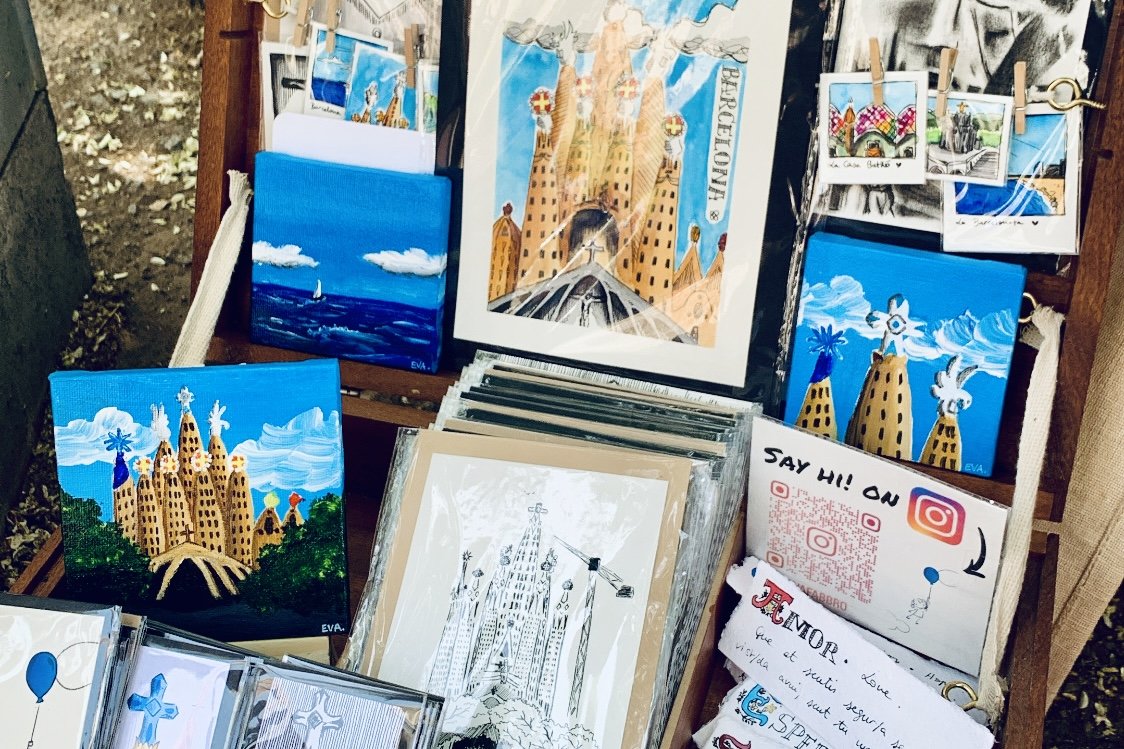
¿Qué sé hacer? Escribir poemas, pintar. ¿Puedo hacer eso en la calle? Hay que intentarlo. ¿Puede ser útil para la comunidad? Eso lo dirá la comunidad. Así que me lancé. A los pies de la Sagrada Família (…)
Serendipity
What can I do? Write poems, paint. Can I do that on the street? I’ll have to give it a go. Could it be of use to the community? That’s for the community to decide. So I took the leap. Right at the foot of the Sagrada Família. (…)


Un journal
La campagne était plongée dans le brouillard. J’étais dans le Haut-Beaujolais. Silence lugubre alentour. Je venais de sécher les cours. J’avais vingt ans et pour la première fois, j’avais décidé de manquer à l’appel. J’avais tourné les talons, éblouie (…)
Nobody wants to talk about war
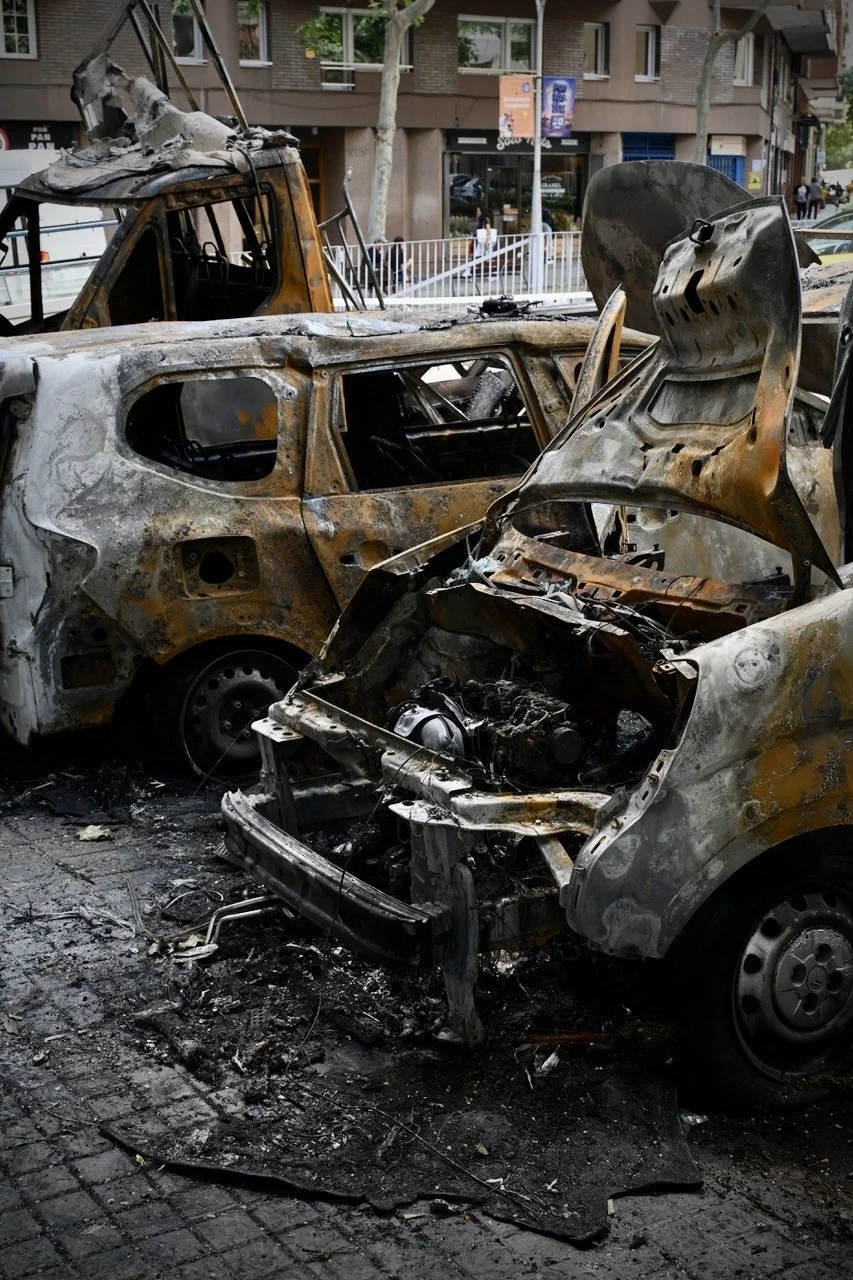
The wind was changing direction. It was my father who had taught me to do that: to read the mountain skies in summer. I still do it, out of habit, and sometimes people wonder why I suddenly stop and say nothing. I stare intensely at the sky (…)
Nadie quiere hablar de la guerra
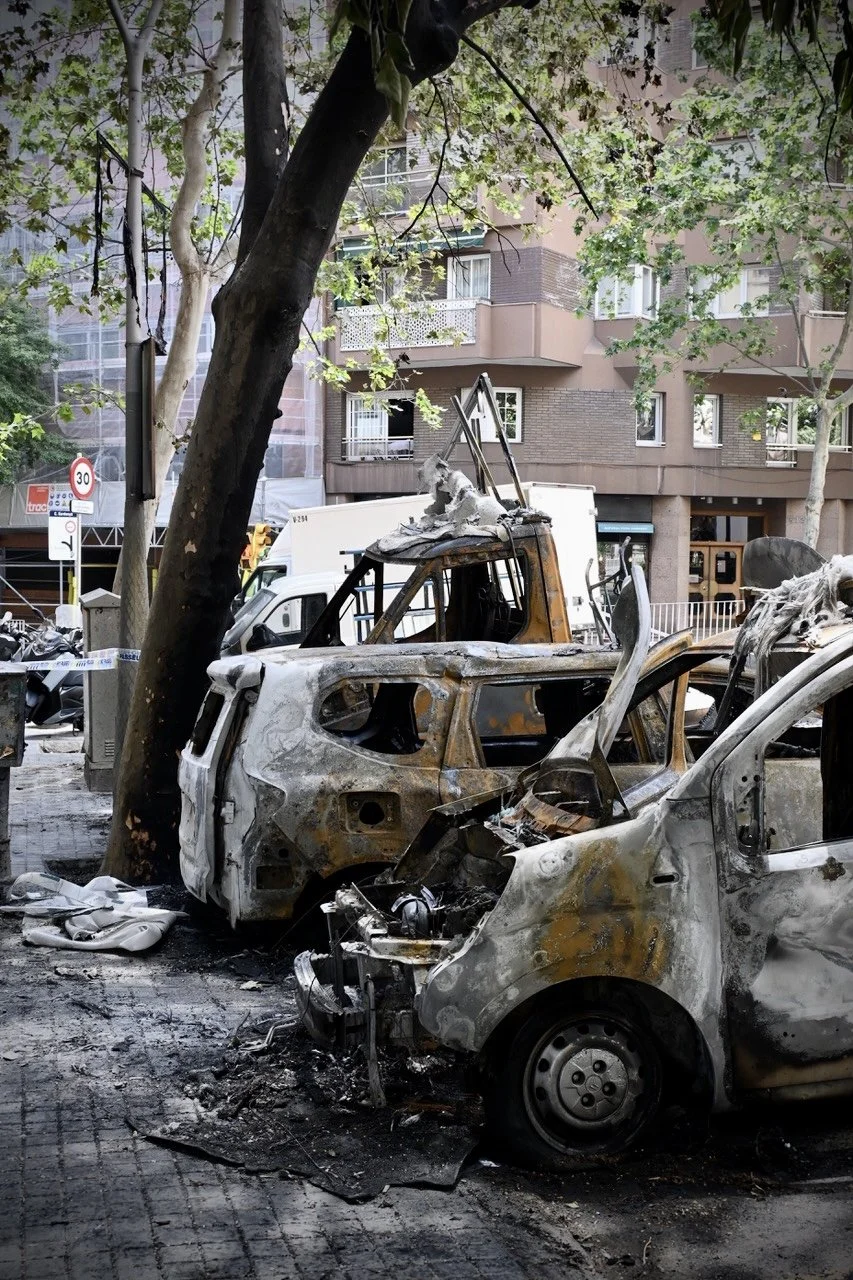
El viento estaba cambiando de dirección. Fue mi padre quien me enseñó a hacer eso: a leer los cielos de montaña en verano. Sigo haciéndolo, por costumbre, y a veces la gente se pregunta por qué de repente me detengo sin decir nada. Miro fijamente al cielo (…)
Christ in disguise
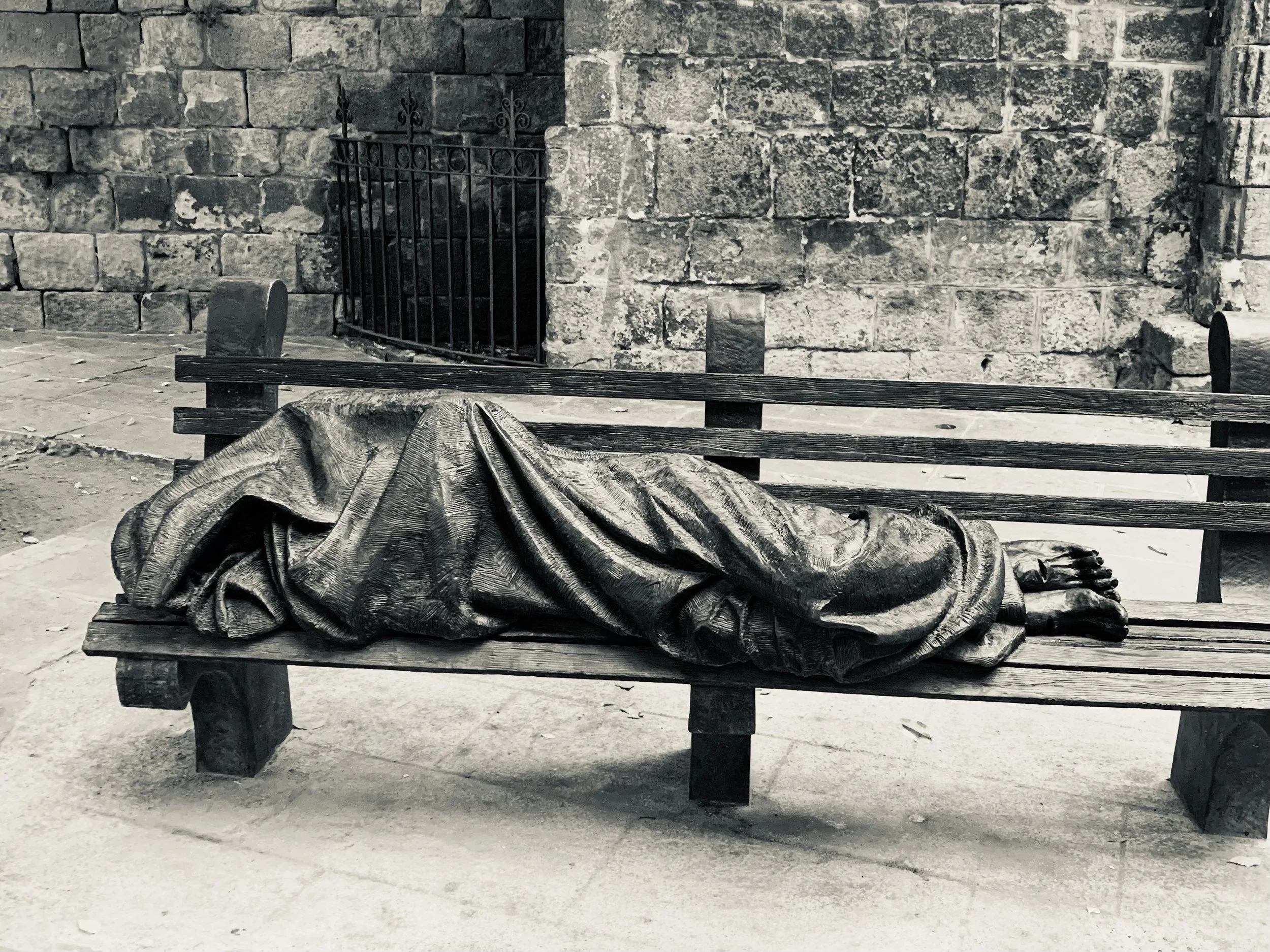
There must have been at least sixty of us in the choir tonight, and it’s always powerful when there are that many of us; the audience is quickly drawn in. But right at the start of the concert, a bloke —a homeless man— started hanging around in the middle, between the audience and us, making strange gestures, it was a bit awkward having him there (…)
Cristo, incógnito
Éramos al menos unos sesenta coristas, y siempre es impresionante cuando somos tantos así; el público se engancha enseguida. Pero justo al principio del concierto, un tipo, un sintecho, empezó a meterse en medio, entre el público y nosotros, haciendo gestos raros, imitando la guitarra y cosas así; era un poco incómodo la verdad (…)
Christ incognito
On devait être une soixantaine de choristes au moins, et c’est toujours fort quand on est nombreux comme ça, le public est vite capté. Mais au tout début du concert, un type, un SDF, a commencé à se mettre au milieu, entre le public et nous, à faire des gestes bizarre, à imiter la guitare, ou autre; c’était un peu inconfortable (…)

Cantando bajo la lluvia
¿La calle? Desierta. Sin embargo, empezando el espectáculo, parece que nuestras voces tienen el efecto de una hoguera en la noche. Automáticamente, la gente se detiene, se acerca (…)
Chanter sous la pluie
La rue? Déserte. Pourtant, à mesure que le spectacle prend place, on dirait que nos voix font l’effet d’un feu de camp dans la nuit. Automatiquement, les gens s’arrêtent, se rapprochent pour s’y chauffer les mains, l’âme, le cœur (…)
Singing in the rain
The street? Empty. Yet, as the show begins, it seems as though our voices are like a campfire in the night. People automatically stop, draw closer to warm their hands, their souls, their hearts (…)
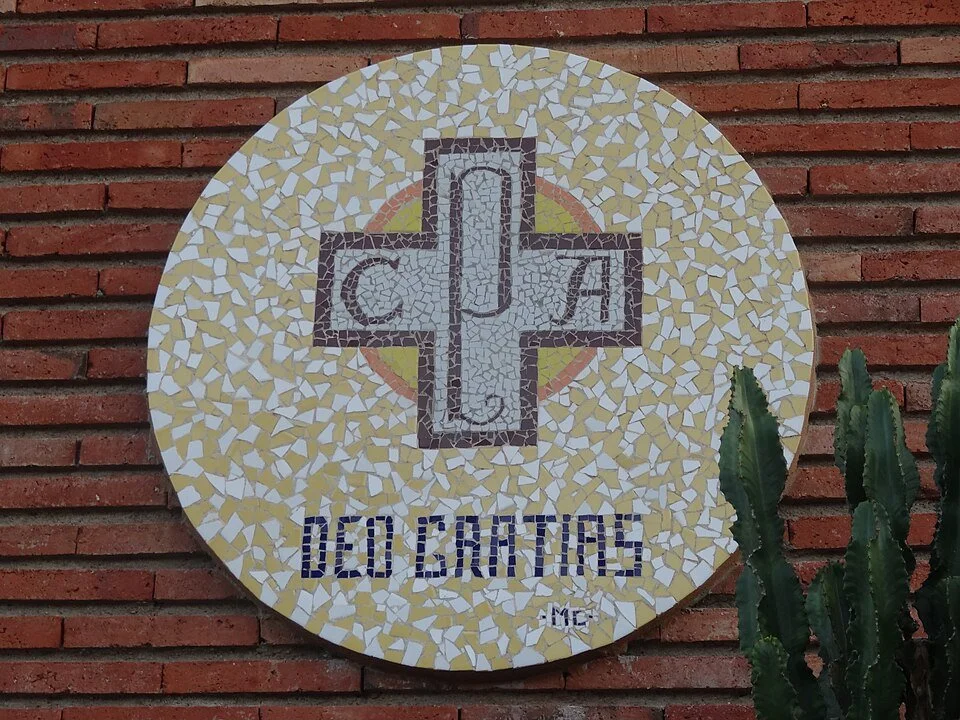
The Cottolengo
Patients, sisters and volunteers live together day by day, then and I believe that the word that best describes this historic institution is joie de vivre. Even though the work is hard (…)

El Cottolengo
Los enfermos, las hermanas y los voluntarios conviven cada día, pues y creo que la palabra que mejor describe esta institución histórica es la alegría de vivir. Aunque el trabajo es duro (…)
Le Cottolengo
Malades, Sœurs et volontaires vivent donc ensemble chaque jour et je crois que le mot qui décrit le mieux cette institution historique, c’est la joie de vivre. Même si le travail est dur, même si les choses auxquelles on fait face ne sont pas toujours faciles (…)
